Trump Signals Possible ‘Winding Down’ of Iran War, Rules Out Ceasefire
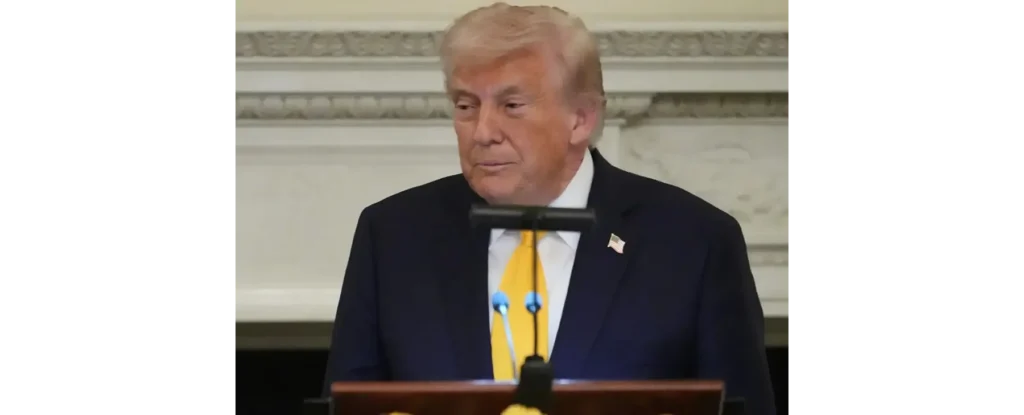
U.S. President Donald Trump has said his administration is considering winding down Iran war operations, even as he ruled out the possibility of an immediate ceasefire with Tehran. The remarks come amid rising geopolitical tensions in West Asia and continued military exchanges involving multiple countries in the region.
In a post on Truth Social, Trump said the United States was “getting very close to meeting our objectives” as it evaluates the next phase of its military engagement. However, he made it clear that discussions around a ceasefire are not currently on the table, indicating that the winding down Iran war strategy would be gradual rather than abrupt.
The statement marks a shift in tone after weeks of intense military activity and growing global concern over the economic and security implications of the conflict.
US Signals Strategic Shift in Winding Down Iran War
Officials familiar with the situation say the winding down Iran war approach reflects a reassessment of military objectives by the United States. While operations may be scaled back, there is no indication of a complete disengagement at this stage.
The conflict, which began in late February, has involved coordinated strikes by the United States and Israel on Iranian targets. Iran has responded with missile and drone attacks across the region, escalating tensions and drawing in multiple stakeholders.
Iran’s Supreme Leader Mojtaba Khamenei, in a message marking the Persian New Year, claimed that Iranian forces had delivered a “dizzying blow” to their adversaries. His statement underscored Tehran’s position that it continues to maintain military strength despite ongoing attacks.
Even as Washington considers winding down Iran war operations, analysts note that the absence of a ceasefire increases the risk of continued instability. Military engagements, though potentially reduced, could still persist in sensitive areas across the region.
Regional Tensions Continue Despite Winding Down Iran War Plans
Despite signals of a winding down Iran war, fresh explosions were reported in Tehran on Friday, highlighting the fragile security environment. Meanwhile, Israel accused Iran of targeting key religious sites in Jerusalem following a strike that caused damage in the Old City.
The situation has also triggered reactions from other countries in the region. Turkey criticised Israeli strikes on Syrian military installations, calling them a “dangerous escalation” and urging international intervention to prevent further deterioration.
Syria has so far avoided direct involvement in the broader conflict, although it remains strategically vulnerable due to its proximity and alliances. Similarly, Lebanon has witnessed increased airstrikes targeting Hezbollah, an Iran-backed group, further complicating the regional dynamics.
Observers say that even if the United States proceeds with winding down Iran war operations, the interconnected nature of the conflict means tensions could continue across multiple fronts.
Global Markets React to Ongoing Conflict
The uncertainty surrounding the winding down Iran war has had a visible impact on global financial markets. On Wall Street, major indices closed lower as investors reacted to rising oil prices and fears of prolonged supply disruptions.
The S&P 500 fell by 1.5%, while Brent crude prices rose sharply, crossing $112 per barrel. Energy analysts attribute the surge to concerns over potential disruptions in oil supply routes, particularly in critical transit regions.
For energy-importing countries like India, developments related to the winding down Iran war remain closely monitored. Any instability in the region can directly affect fuel prices and supply chains, adding to inflationary pressures.
Experts say that while a gradual reduction in military operations could ease market concerns, the absence of a ceasefire means volatility is likely to persist in the near term.
Uncertain Path Ahead as Conflict Evolves
The announcement on winding down Iran war operations signals a potential shift in U.S. strategy, but it does not indicate an immediate resolution to the conflict. With no ceasefire in place, the possibility of continued hostilities remains.
Diplomatic efforts are expected to play a key role in shaping the next phase of the situation. However, for now, military activity continues to define the ground reality in several parts of West Asia.
As the situation evolves, global attention remains focused on whether the winding down Iran war approach will lead to de-escalation or merely a recalibration of ongoing operations.