“Kabhi India Aa Ke Dekho”: Iran’s ‘Cultural Detox’ Jibe at Trump Sparks Diplomatic Buzz
New Delhi, April 24, 2026: The “Kabhi India Aa Ke Dekho” remark has gained global attention after Iran’s Consulate General in Mumbai took a sharp dig at former U.S. President Donald Trump over controversial comments describing India and China as “hell-holes.” The diplomatic response, delivered via social media, has triggered fresh debate around political rhetoric and international relations.
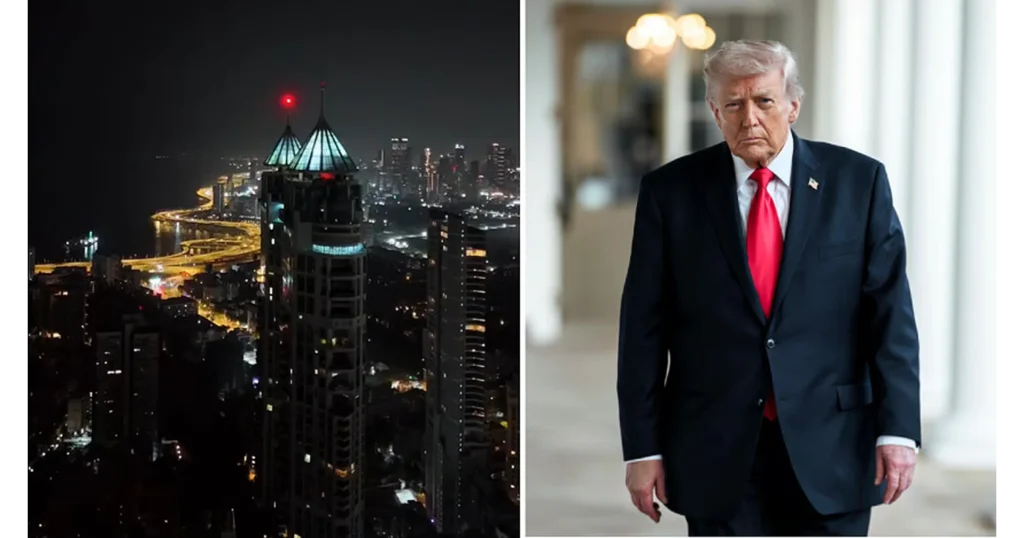
The “Kabhi India Aa Ke Dekho” comment came alongside a video highlighting Maharashtra’s cultural and geographical diversity. The Iranian consulate suggested that a visit to India could serve as a “cultural detox” for Trump, implying that his remarks were uninformed.
The post quickly gained traction online, with users and commentators discussing its tone and implications. While Iran’s response was informal in style, it underscored broader sensitivities surrounding global perceptions of India.
‘Hell-Hole’ Remark Triggers Row
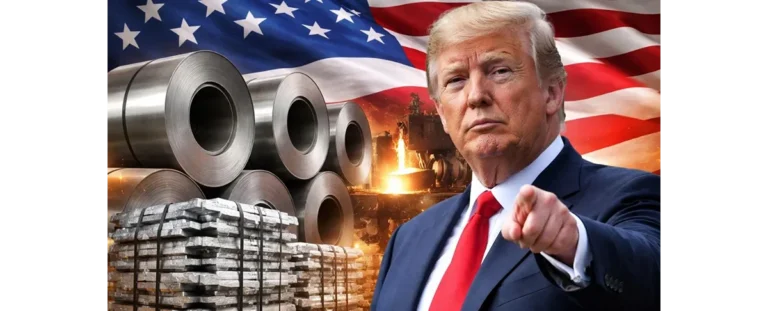
The controversy began when Donald Trump reposted content from American commentator Michael Savage, who used the term “hell-holes” while referring to countries like India and China. The remarks were made in the context of a discussion on U.S. birthright citizenship laws.
The “Kabhi India Aa Ke Dekho” response from Iran followed soon after, amplifying the issue beyond bilateral tensions. Observers noted that Trump’s repost was widely interpreted as an endorsement of the comments, which included criticism of immigrants from Asian countries.
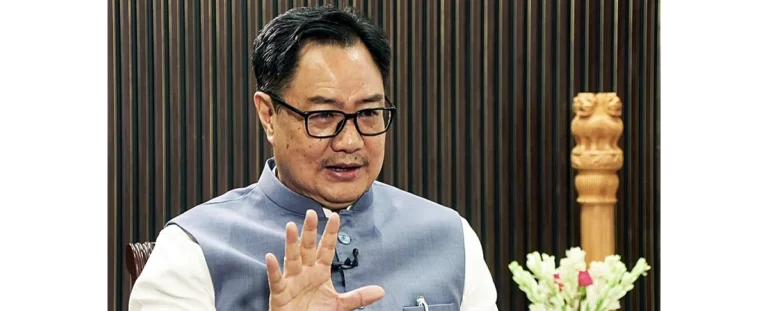
The remarks sparked criticism in India as well. The Ministry of External Affairs (MEA) described the statements as “uninformed, inappropriate and in poor taste,” distancing them from the broader India-U.S. relationship.
The “Kabhi India Aa Ke Dekho” phrase has since become a focal point in the discourse, symbolising a pushback against negative stereotypes. It also reflects how diplomatic messaging is increasingly being shaped through social media platforms.
Iran’s Social Media Response Gains Attention
Iran’s consulate in Mumbai used the “Kabhi India Aa Ke Dekho” message to highlight India’s cultural richness. The accompanying video showcased landscapes, traditions, and heritage sites across Maharashtra, presenting a contrasting narrative to the remarks made earlier.
The phrase “Kabhi India Aa Ke Dekho,” which translates to “Come visit India and see for yourself,” resonated widely with Indian audiences. It was seen as a cultural assertion rather than a direct political confrontation.
Experts say such messaging reflects a shift in diplomatic communication, where informal and culturally nuanced responses are being used to engage broader audiences. The “Kabhi India Aa Ke Dekho” approach, while light in tone, carried a clear message about the importance of informed global discourse.
At the same time, the U.S. Embassy clarified that Trump considers India a “great country,” attempting to contain the fallout. This clarification, however, did little to slow the online debate sparked by the original remarks.
Impact on Diplomatic Narrative
The “Kabhi India Aa Ke Dekho” episode highlights how quickly political statements can influence international narratives. While the comments originated in a domestic U.S. policy discussion, their global implications became evident through reactions from countries like Iran and India.
India’s response remained measured and official, focusing on reaffirming the strength of bilateral ties. The MEA emphasised that such remarks do not reflect the longstanding partnership between India and the United States.
Meanwhile, the “Kabhi India Aa Ke Dekho” phrase continues to circulate widely on social media, reflecting public sentiment and cultural pride. It has also drawn attention to the role of digital platforms in shaping diplomatic conversations.
Analysts note that while such exchanges may not significantly alter formal relations, they can influence public perception and soft power dynamics. The use of cultural imagery and language in the “Kabhi India Aa Ke Dekho” response illustrates this evolving trend.
A Measured Conclusion Amid Online Debate
As the “Kabhi India Aa Ke Dekho” controversy unfolds, it serves as a reminder of the importance of responsible public communication, especially by global leaders. Statements made in one context can quickly resonate across borders, inviting varied interpretations.
While diplomatic channels remain steady, the episode has highlighted the growing role of social media in international discourse. The “Kabhi India Aa Ke Dekho” message, though informal, has become a symbol of cultural response to criticism.
Going forward, such incidents are likely to continue shaping how countries engage with each other in the digital age. For now, the focus remains on maintaining balanced diplomatic ties while addressing public sentiment through measured responses.