US Attacks Iran’s Bandar Abbas, Trump Issues Fresh Warning Over Uranium Amid Ceasefire Talks
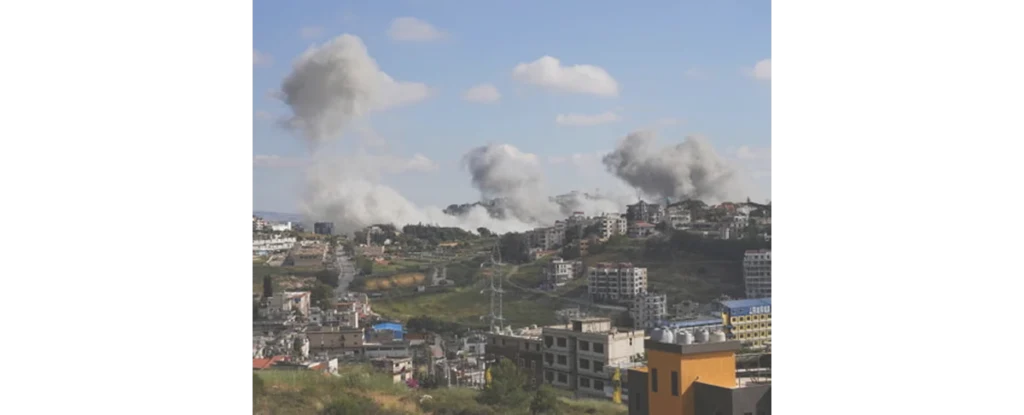
Tehran/Doha, May 26: Tensions in the Middle East escalated once again after the United States launched fresh military strikes near Iran’s strategic port city of Bandar Abbas, even as diplomatic efforts to end the ongoing conflict continued in Qatar. The latest US attacks on Iran targeted missile launch facilities and boats allegedly attempting to deploy naval mines in the Strait of Hormuz, according to the US Central Command (CENTCOM).
The development has further complicated the fragile regional situation, with former US President Donald Trump also issuing a renewed warning over Iran’s uranium-related activities shortly after the strikes. Tehran has not yet officially responded to the latest American action.
According to CENTCOM, the US attacks on Iran were conducted in “self-defence” to protect American military personnel and allied assets stationed in the region. Officials claimed Iranian forces posed an “imminent threat” through missile systems and naval operations close to one of the world’s most critical oil shipping routes.
US Says Bandar Abbas Strikes Were Defensive
A spokesperson for US Central Command, Tim Hawkins, said the strikes were limited in scope and aimed at neutralising immediate threats. He added that the US military was exercising restraint despite ongoing tensions.
Reports indicate the operation targeted areas near Bandar Abbas, a key Iranian naval hub located along the Strait of Hormuz. The narrow waterway is strategically important as nearly one-fifth of global oil shipments pass through it every day.
The US attacks on Iran come at a sensitive moment, with Iranian negotiators simultaneously engaged in discussions in Doha alongside Qatar’s leadership to explore a possible ceasefire framework involving both the United States and Israel.
Diplomatic observers believe the latest military escalation could weaken trust between the negotiating parties and delay any meaningful progress toward a settlement. However, officials involved in the talks have not announced a suspension of discussions so far.
The ongoing conflict between Iran, Israel, and the United States has now entered its third month, triggering widespread concerns over regional security, energy markets, and civilian stability across West Asia.
Trump’s Uranium Warning Adds To Tensions
Shortly after news of the strikes emerged, Donald Trump made fresh remarks regarding Iran’s uranium programme, warning Tehran against advancing nuclear enrichment efforts. Although Trump currently holds no official government position, his comments drew significant international attention due to his continuing influence within American politics.
Trump reportedly stated that Iran would face “serious consequences” if it pursued higher levels of uranium enrichment. The warning has reignited debate over Tehran’s nuclear ambitions and the future of diplomatic agreements related to Iran’s atomic programme.
Iran has consistently maintained that its nuclear programme is intended for peaceful civilian purposes. However, Western nations, including the United States, have repeatedly expressed concerns that uranium enrichment could eventually support weapons development.
The latest US attacks on Iran are likely to intensify scrutiny over Tehran’s nuclear infrastructure and military posture. Analysts say Washington may be attempting to increase pressure on Iran while still keeping diplomatic channels open through regional mediators such as Qatar.
Global Concerns Rise Over Strait Of Hormuz Security
The renewed military activity near Bandar Abbas has also raised concerns among global energy traders and shipping companies. Any disruption in the Strait of Hormuz could significantly impact international oil prices and supply chains.
Several international governments have already urged restraint from all sides. Diplomats from Europe and the Gulf region continue to push for de-escalation measures to prevent the conflict from expanding further.
Security experts note that the US attacks on Iran reflect Washington’s broader effort to maintain freedom of navigation in the Gulf while deterring Iranian military movements. At the same time, they caution that repeated strikes risk triggering retaliatory actions that could destabilise the entire region.
So far, Iranian authorities have not confirmed the extent of damage caused by the strikes near Bandar Abbas. State media in Tehran has remained relatively restrained in its coverage, focusing instead on ongoing diplomatic consultations in Doha.
The situation remains fluid as ceasefire negotiations continue behind closed doors. While both military and diplomatic channels remain active, uncertainty persists over whether the latest escalation will push the region closer to confrontation or encourage renewed compromise.
With the US attacks on Iran now adding fresh pressure to already fragile talks, global attention remains fixed on how Tehran, Washington, and regional powers choose to respond in the coming days.